That depends on the chosen size and the way of placing it. A compact hologram can stand on a counter or table. Larger models need their own plinth and enough free space around them.
Do not only measure the spot where the system will stand. Also check doorways, lifts, corridors and the route from the loading area. Especially at large trade show and event venues, accessibility can be decisive for the installation.
Visitors must be able to take enough distance to see the full image. A compact product hologram is usually viewed up close. For a large animation or a life-size person, more distance is needed.
Do not place the hologram behind obstacles and prevent waiting visitors from blocking an important walking route.
Holographic content stands out most when the contrast with the surroundings is good. Very bright light shining directly on the presentation can weaken the effect.
That does not mean the space has to be completely dark. Often the position, incidence of light or chosen animation can be adjusted. Dark backgrounds and bright subjects usually work best.
The hologram works on a standard 220-240V power point. The hologram and any audio, network or control equipment need a reliable power connection.
The exact technical requirements can differ per setup. At events, make sure the power point has enough capacity and is not unexpectedly overloaded or switched off by other equipment. A separate power group or a dedicated connection is recommended for larger setups.
For animations with audio, it must be checked whether sound is allowed and audible at the location. The volume of the audio can be adjusted if needed and tuned to the surroundings. An internet connection may be needed for updates or an interactive AI hologram.
A floor plan, photos and dimensions often already provide a lot of clarity. For more complex installations, a site visit can be sensible.
Media Hologram advises on placement and can take care of the on-site installation. Discuss your space and application with our team.
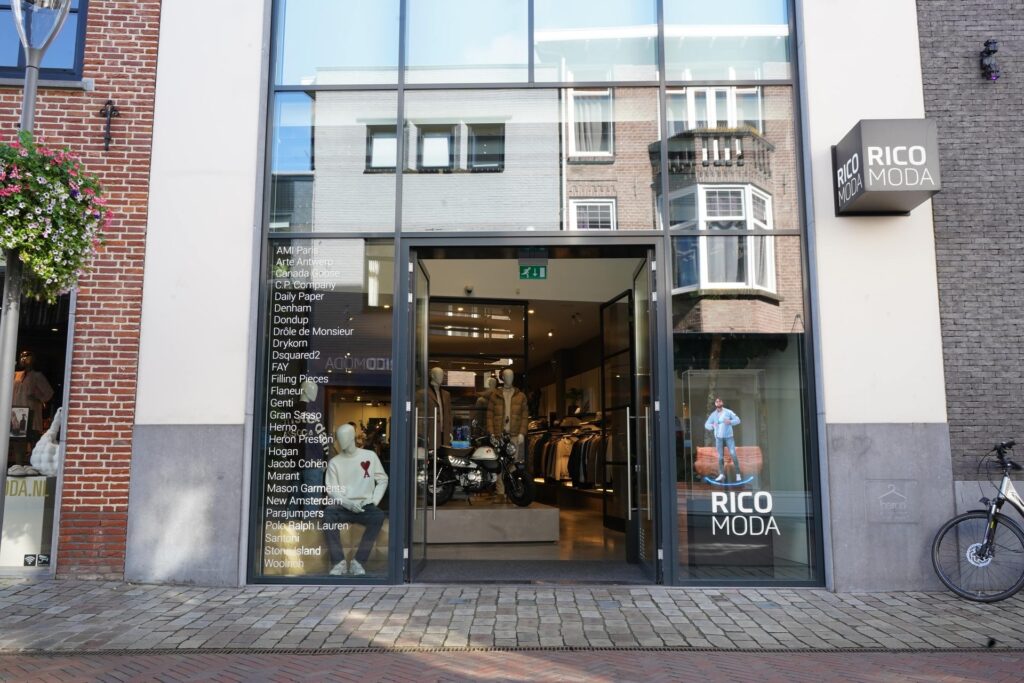
That depends on the chosen size and the way of placing it. A compact hologram can stand on a counter or table. Larger models need their own plinth and enough free space around them.
Do not only measure the spot where the system will stand. Also check doorways, lifts, corridors and the route from the loading area. Especially at large trade show and event venues, accessibility can be decisive for the installation.
Visitors must be able to take enough distance to see the full image. A compact product hologram is usually viewed up close. For a large animation or a life-size person, more distance is needed.
Do not place the hologram behind obstacles and prevent waiting visitors from blocking an important walking route.
Holographic content stands out most when the contrast with the surroundings is good. Very bright light shining directly on the presentation can weaken the effect.
That does not mean the space has to be completely dark. Often the position, incidence of light or chosen animation can be adjusted. Dark backgrounds and bright subjects usually work best.
The hologram works on a standard 220-240V power point. The hologram and any audio, network or control equipment need a reliable power connection.
The exact technical requirements can differ per setup. At events, make sure the power point has enough capacity and is not unexpectedly overloaded or switched off by other equipment. A separate power group or a dedicated connection is recommended for larger setups.
For animations with audio, it must be checked whether sound is allowed and audible at the location. The volume of the audio can be adjusted if needed and tuned to the surroundings. An internet connection may be needed for updates or an interactive AI hologram.
A floor plan, photos and dimensions often already provide a lot of clarity. For more complex installations, a site visit can be sensible.
Media Hologram advises on placement and can take care of the on-site installation. Discuss your space and application with our team.